
When temperatures in Wynne, Arkansas, drop below freezing, your HVAC system works harder than just about anything else in your house. And if it’s not ready for the cold, winter has a way of finding every weak spot. Strange noises, rooms that won’t warm up, or that nagging feeling something’s off can all point to bigger trouble if you ignore them.
Here’s what to watch for when the cold arrives and what you can do before a small issue turns into a full-blown breakdown.
When the Freeze Sets In
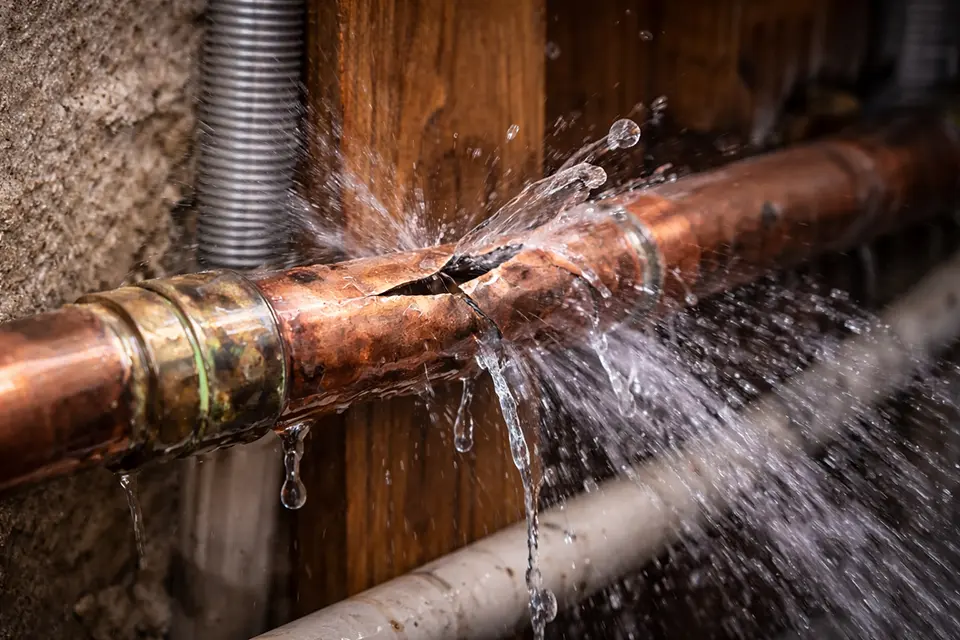
Pipes freeze every winter across Cross County, especially in homes with poor insulation or exposed plumbing in crawl spaces. You turn on the faucet expecting water and get nothing. Or worse, you hear that awful pop as pressure builds and a pipe splits somewhere behind the wall.
Your thermostat might be keeping the main living areas toasty, but basements and crawl spaces can still get cold enough to freeze pipes. Water expands when it freezes, and if there’s nowhere for that pressure to go, the pipe cracks. You might not notice until the thaw starts and water begins leaking into places it shouldn’t.
A few simple steps make a real difference. Keep your thermostat at 60 degrees or higher even when you’re away. Open cabinet doors under sinks so warm air can reach the pipes. Disconnect outdoor hoses and drain outside spigots before the first freeze. Letting a faucet drip overnight during a cold snap can help too.
If you already have frozen pipes, shut off your main water valve and call someone who knows what they’re doing. Trying to fix it yourself with heat guns or open flames can make things worse fast.
One Room Is An Oven and Another is a Meat Locker
We’ve all been there. The kitchen is comfortable, but walk into the bedroom and you’re reaching for a blanket. One side of the house feels great while the other barely gets warm.
Most of the time, it comes down to airflow. Furniture shoved against a vent, a return blocked by storage boxes, or even a dog bed can mess with circulation. Winter makes it worse because your system is already running overtime. Dust in the ducts, clogged blower motors, or worn-out fans only add to the problem.
Start with what’s easy. Check your vents and make sure nothing’s covering them. Swap out your air filter. If that doesn’t help, the issue might be hidden in the ductwork or inside the unit itself. Don’t wait until you can’t stand it anymore. Uneven heating is often the first sign your system is working too hard.
Dirty Air Filters: Small Part, Big Impact
Your air filter does more than you’d think. It keeps dust, pet hair, and debris out of your furnace so the system runs smoothly. When it clogs up, your furnace has to fight just to pull air through. That means uneven temps, shorter run cycles, and higher energy bills.
Winter is tough on filters because windows stay closed and the heater runs nonstop. You should check it every 30 days during heavy use. A lot of homeowners find their heating problems go away once they put in a fresh filter. It’s cheap, easy, and can save you from much bigger headaches later.
When the Problem Is on the Wall, Not in the System
Plenty of HVAC calls in winter aren’t actually about the system. The thermostat just isn’t doing its job. Wires come loose, sensors get dusty or misaligned, and older models lose their calibration. You set it to 70, but the house never quite gets there.
Sometimes all it takes is fresh batteries or a quick cleaning. But if your thermostat is over ten years old, replacing it might make more sense. Newer programmable and smart thermostats give you better control, lower bills, and more consistent comfort.
When the Flame Keeps Going Out
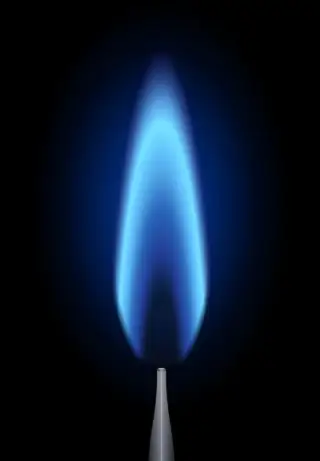
For gas or propane heat, the pilot light is what keeps everything running. If it keeps going out, your furnace won’t turn on at all.
This usually happens because of drafts or a dirty flame sensor. A loose vent cover or air coming into the furnace room can blow the flame out. A clogged sensor might trick the system into thinking there’s no flame even when it’s lit.
If you’re comfortable checking, take a look for obvious drafts or buildup. But a lot of the time, this is something you’ll want a tech to handle. It could be an easy fix or it could point to a safety issue you don’t want to miss.
The Mid-Winter Meltdown
Cold snaps, constant use, and skipped maintenance can push any HVAC system to the breaking point. What starts as minor wear and tear in fall can turn into a dead furnace by January. Cracked heat exchangers, broken belts, refrigerant leaks, frozen coils—all of it shows up when the weather’s at its worst.
Heat pumps especially struggle during ice storms or long freezes. If the outside unit gets covered in snow or ice, efficiency tanks. Your system might technically still run, but it’ll cost more and put out less heat.
If your furnace is making weird sounds or struggling to keep up, don’t wait for it to quit. Regular service in spring and fall catches problems early so you’re not scrambling for emergency repairs when it’s 15 degrees outside.
Invisible but Dangerous
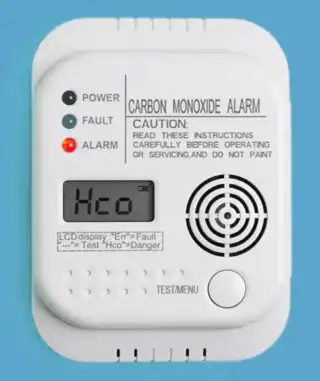
When something’s wrong with your furnace and you can’t see or smell it, the danger is real. Carbon monoxide is a byproduct of burning gas. If there’s a leak, a cracked heat exchanger, or a venting problem, it can get into your home without any warning.
Every home should have CO detectors near bedrooms and living areas. They’re designed to catch unsafe levels and alert you with a distinct alarm pattern—usually four beeps followed by a pause. If that alarm ever goes off, get out of the house and call 911.
Maintenance isn’t just about staying warm. It’s about keeping your family safe. CO leaks usually come from aging equipment or systems that haven’t been serviced. Don’t take chances. Get your system checked, especially if it’s older or needs frequent repairs.
Final Thoughts
Winter doesn’t just test your HVAC system. It finds every spot that hasn’t been inspected, maintained, or updated. Frozen pipes, flickering pilot lights, uneven heat—any of it can turn into a real problem if you wait too long.
Whether you’re getting ahead of the next cold front or already seeing signs of trouble, now’s the time to take care of it. For professional HVAC repair, maintenance, and replacement in Wynne and surrounding areas, contact us today at (870) 238-8785. At Advantage Heating & Air Conditioning, we’re here to keep your home warm, safe, and worry-free all winter long.