

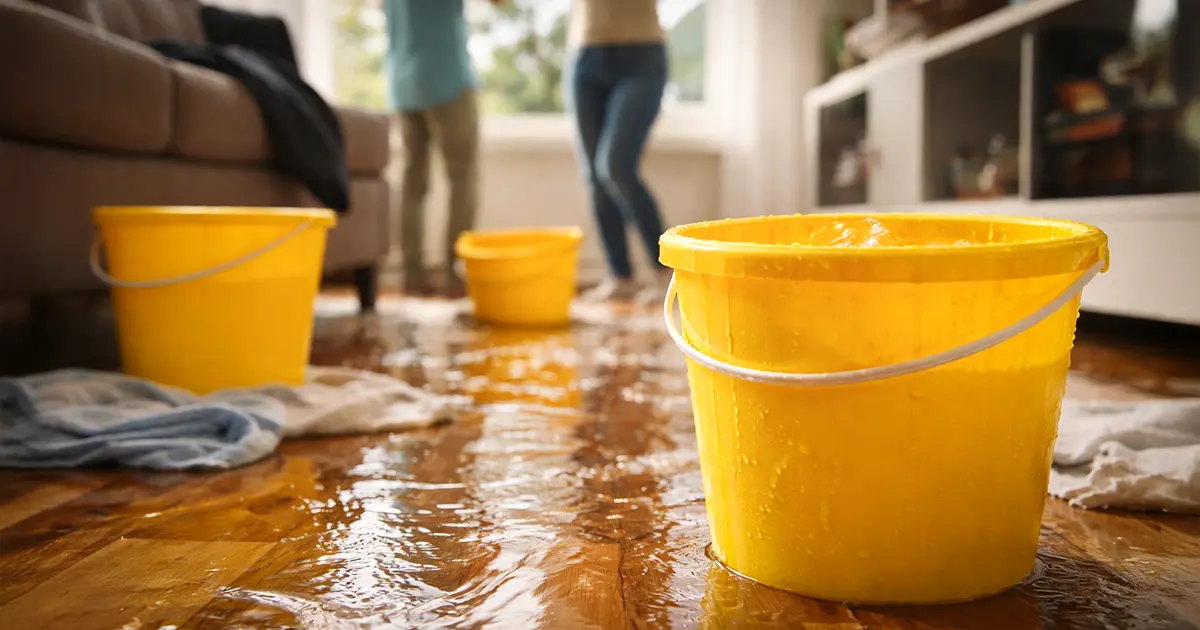
When temperatures drop here in northeast Arkansas, your home faces more than just chilly mornings and higher heating bills. Frozen pipes are one of those problems you never think about until you're standing in a flooded kitchen at 2 a.m., watching your insurance deductible evaporate along with your peace of mind.
Here's the thing: a single burst pipe can dump four to eight gallons of water per minute into your home. That's not a slow drip you can catch with a bucket. That's a flood that ruins floors, soaks drywall, and destroys everything from family photos to electrical systems. Most homeowners don't realize how quickly things can go sideways until it's already happening.
Why Your Pipes Freeze (And Why It Matters)
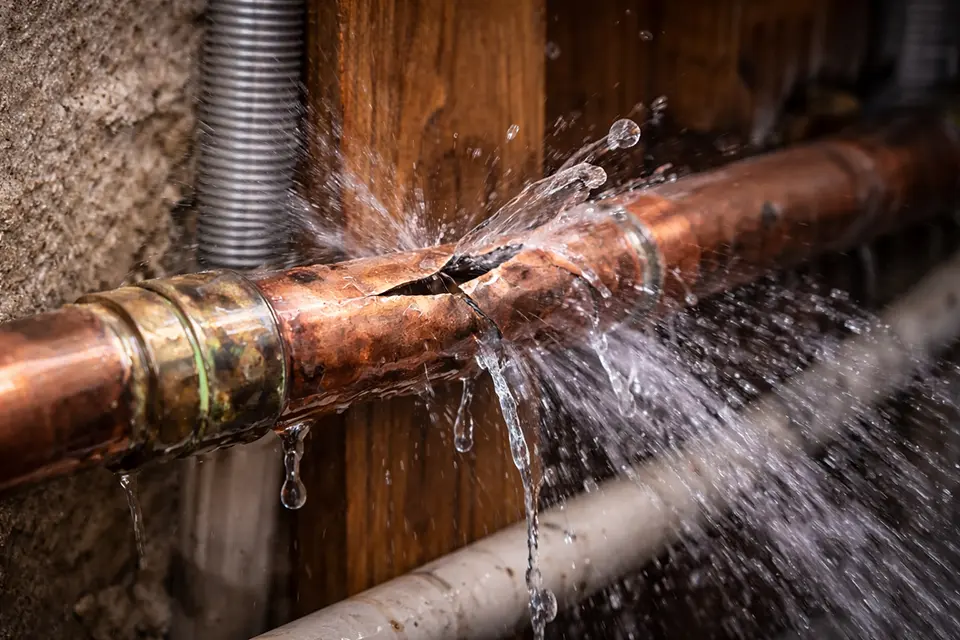
When water freezes, it expands. That expansion puts serious pressure on your pipes from the inside. Eventually, something's got to give. The pipe cracks or bursts, and once the ice melts, you've got water pouring into places it absolutely shouldn't be.
Older homes are especially vulnerable, particularly if you've got plumbing running through unheated spaces like attics, crawl spaces, or garages. That kitchen sink on the exterior wall? High risk. Water lines in your basement? Also high risk. If your plumbing spends any time in areas that aren't actively heated, those pipes are sitting ducks when the mercury drops.
And pipes don't wait for Arctic conditions to freeze. They can start freezing at 32°F, especially if there's wind or exposure. A single overnight freeze during an unexpected cold snap can be all it takes.
Some Homes Are More Vulnerable Than Others
Any house can have frozen pipes under the right circumstances, but you're at higher risk if you have:
- Plumbing in uninsulated or exposed areas
- Older piping that's seen better days
- A home that sits vacant during winter
- Outdoor water lines or hoses that haven't been drained
- A false sense of security because last winter was mild
Arkansas weather loves to keep us guessing. You'll get a warm December week that makes you forget it's winter, then wake up to a hard freeze. That unpredictability is exactly why so many homeowners get caught off guard.
Simple Steps That Actually Work
Here's the good news: frozen pipes are almost entirely preventable. You don't need expensive equipment or specialized knowledge. Just a few simple, affordable precautions can keep your plumbing intact when the cold hits.
Insulate the Weak Spots
Start with the obvious targets... basements, attics, crawl spaces, and garages. Foam pipe insulation is cheap and takes about five minutes per pipe to install. For particularly exposed pipes, heating tape adds an extra layer of protection by providing gentle warmth.
Don't forget pipes along exterior walls, especially in kitchens and bathrooms. Your house might be toasty inside, but those pipes are still close enough to the cold to freeze.
Don't Get Stingy with the Thermostat
Turning your heat down at night to save a few bucks sounds smart until you're paying for emergency plumbing repairs. Keep your thermostat at 55°F or higher, even when you're not home.
It also helps to leave interior doors open. This lets warm air circulate through closets, cabinets, and other spots where pipes might be hiding.
Let Your Faucets Drip
Running water is much harder to freeze. During a cold snap, let your faucets drip overnight. Just a slow, steady trickle. Focus on faucets connected to exposed pipes or exterior walls. That little bit of movement keeps pressure down and water flowing, which can be all it takes to avoid a freeze.
Winterize Your Outdoor Plumbing
This one's non-negotiable. Disconnect garden hoses, drain outdoor spigots, and shut off the water supply to exterior faucets if you have a dedicated valve. Once everything's drained, cover those outdoor faucets with foam insulation covers.
Leaving a hose connected to an outdoor spigot is like rolling out a welcome mat for frozen pipes. The water trapped in the hose and the pipe behind it has nowhere to go when it freezes.
Seal Up the Drafts
Cold air sneaks in through the smallest cracks, around windows, doors, or wherever pipes pass through walls. A little caulk or foam insulation goes a long way. In basements and crawl spaces, check for drafts near the foundation. Sealing those gaps protects your pipes and makes your home more energy-efficient.
How to Tell If You've Got a Frozen Pipe
Catching a frozen pipe early can save you from a full-blown burst. Watch for these warning signs:
- Weak water pressure: or no water at all from a faucet
- Visible frost: or ice on exposed pipes
- Strange noises: gurgling, clanking, or banging when you turn on the water
- Odors: coming from drains as ice blocks normal airflow
- Cold areas: on walls or floors near plumbing
If you notice any of these, don't wait. The sooner you act, the better your chances of avoiding serious damage.
Thawing a Frozen Pipe Safely
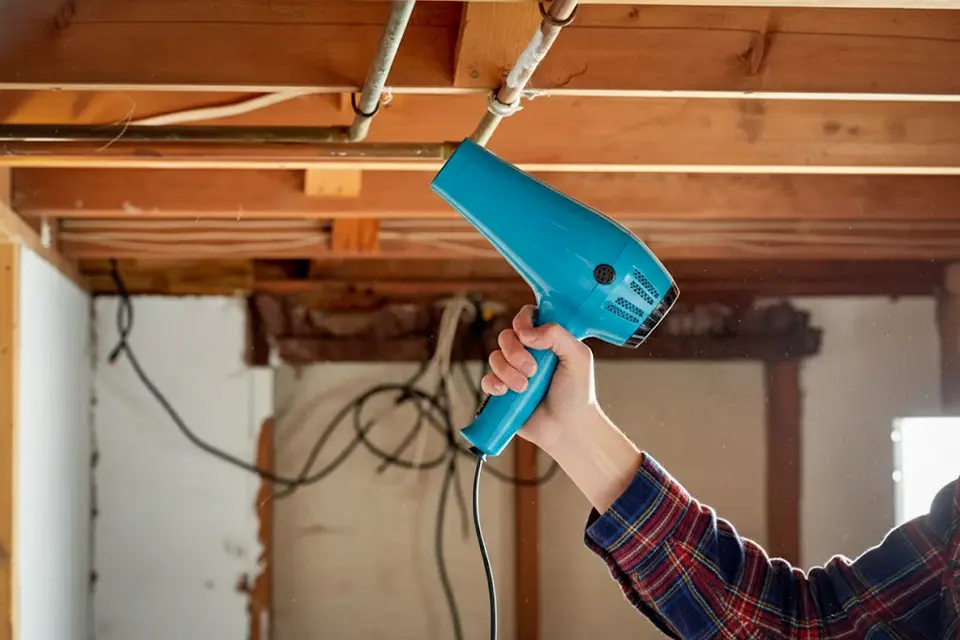
First, turn on the faucet connected to the frozen pipe. If any water's flowing, it'll help melt the blockage. Then apply gentle heat to the pipe, starting at the faucet and working back toward the frozen section.
A hair dryer works great. So do warm towels or a heating pad. You should absolutely never use an open flame or blowtorch. The fire risk alone makes that a terrible idea, not to mention the damage you can do to the pipe itself.
If you can't locate the frozen spot or the pipe is buried behind a wall, call a professional. Trying to guess your way through this is a recipe for disaster.
What to Do When a Pipe Bursts
If you discover a burst pipe, your first move is to shut off the main water supply. Right now. Every homeowner should know where that valve is and how to turn it off in a hurry.
Next, shut off the electricity in the affected area, especially if water's pooling near outlets or appliances. Open all your faucets to drain the remaining water from the system, then start moving furniture, rugs, and anything else you don't want destroyed.
Take photos of the damage before you start cleaning up, because you'll need them for your insurance claim. Once things are under control, call your plumber and your insurance company.
Final Thoughts
The best time to protect your pipes is before the first freeze hits. Schedule a plumbing inspection now. A licensed professional can spot at-risk pipes, recommend insulation upgrades, and walk you through emergency procedures if something does go wrong.
A little insulation, a few sealed cracks, and some dripping faucets during cold snaps are just a few small steps that can save you thousands in repairs and spare you the chaos of dealing with a burst pipe in the middle of winter.