

Here in Wynne, Arkansas, once the temperature drops, most of us end up spending a lot more time indoors. You're breathing the same recirculated air hour after hour, and if your HVAC system isn't doing much to clean it, you might be getting more than just warmth or coolness. Allergens, bacteria, viruses, mold spores—they all build up in indoor air. Sometimes you don't even realize it until someone in the house gets sick or your allergies start acting up again.
More homeowners are looking at UV light purification as a solution. Hospitals and labs have used this technology for years, and now it's available for residential HVAC systems. But does it actually work? And more importantly, is it worth the money?
Let's get into it.
What Are HVAC UV Lights?
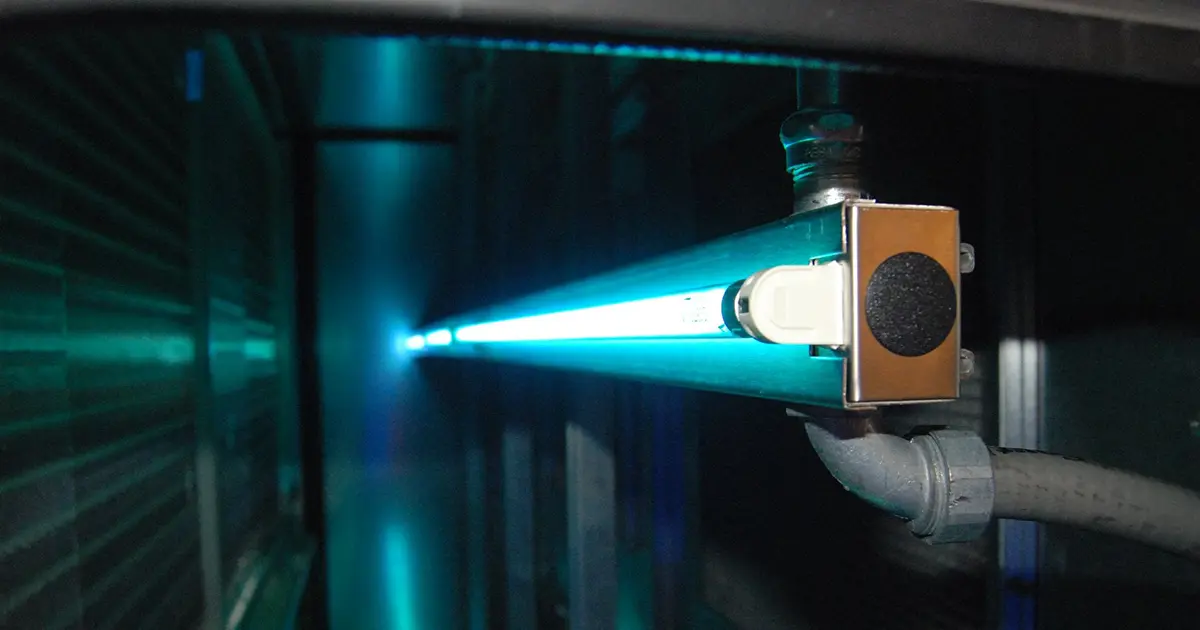
Ultraviolet light—specifically UVC—has germicidal properties. At around 254 nanometers, UVC light gets inside the cell walls of microorganisms and messes with their DNA and RNA. Once that happens, viruses and bacteria can't replicate, which neutralizes them.
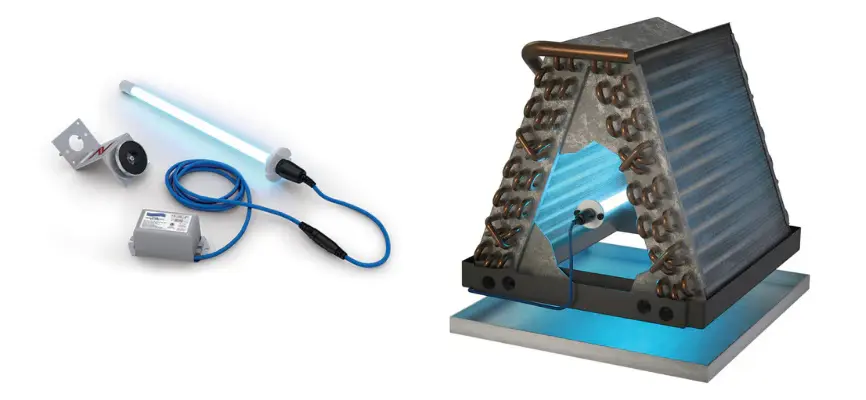
When you install UV lights inside your HVAC system—usually near the coils or in the ductwork—they continuously disinfect the air and system components. Some systems take it further with technologies like PCO (photocatalytic oxidation) or REME HALO® units, which produce hydroperoxides to tackle not just pathogens but also odors, VOCs, and allergens.
What UV Lights Actually Do Inside Your System
UV lights excel at eliminating organic buildup on coils and killing microbes that circulate through the air handler. Coils are notorious for growing mold, especially in humid areas. Over time, mold and biofilms on your HVAC components restrict airflow, reduce efficiency, and send contaminants right back into the air you're breathing.
A properly installed UV system neutralizes those biological problems before they escalate. Air moving through your ducts gets treated constantly, and your coils stay cleaner. That helps your HVAC system run more efficiently and last longer.
Real Benefits for Indoor Air Quality
You can't see UV rays working, but you can feel the difference.
Cleaner air means fewer bacteria and viruses circulating through your home. That translates to fewer respiratory symptoms, lower risk of catching seasonal flu, and fewer allergy triggers. For anyone dealing with asthma, chronic sinus problems, or recurring respiratory infections, that's significant.
Hospitals have relied on UV air sanitizing for decades because it works. That same principle is now available to homeowners throughout Wynne and Cross County. The technology isn't new. It has just become more refined, more affordable, and safer for home use.
Not All UV Systems Are Created Equal
There's no universal solution for indoor air purification. Some UV systems are standalone units that clean a single room. Others integrate directly into your HVAC system to treat your entire home.
Whole-home UV systems need proper placement inside the ductwork to be effective. Units like the REME HALO® release low levels of hydroperoxides throughout your home to neutralize viruses and bacteria as they move through the air. These systems work with your HVAC fan to circulate treated air into every room.
How well any UV light system works depends on several factors:
- The intensity of the UV light: More power equals more effective microbial kill rates
- Exposure time: Fast airflow needs higher UV dosage
- Where the bulbs are positioned: Placement affects which contaminants are exposed
- Regular maintenance: Old or dirty bulbs lose effectiveness
If a system isn't installed or maintained correctly, it won't deliver much benefit regardless of what you paid for it.
What About Safety?
UVC light can harm skin and eyes, so it's never exposed to your living space. It's housed inside your ductwork or air handler where it treats air out of sight. Systems that produce hydroperoxides for whole-home purification use concentrations that are safe for humans and pets. These concentrations mimic what already exists naturally in the environment.
What you want to avoid are UV systems that generate ozone. Some lower-quality UV lamps produce ozone as a byproduct, particularly those made with standard quartz glass that emits shorter, high-energy wavelengths around 185 nm. Ozone irritates your lungs and can trigger respiratory problems.
If you're considering UV lights, confirm that the system is ozone-free and UL-certified for indoor air use.
What the Research Says
Multiple studies show that UV lights can deactivate up to 99% of airborne pathogens in controlled settings. Duke University, Boston University, and the CDC have all reported strong results with UV-based air purification systems, particularly against viruses like influenza and bacteria commonly found in hospitals.
Recent findings also reveal that without proper ventilation, some UV systems—particularly those emitting 222 nm light—can produce oxidized byproducts if volatile organic compounds (VOCs) are already in your home's air. UV lights aren't a substitute for fresh air and filtration. They should be used alongside a well-sealed duct system, clean filters, and routine ventilation to keep your air truly healthy.
Common Misunderstandings About UV Light
There's confusion about what UV systems can and can't do.
- They don't replace filters: UV light neutralizes microorganisms but doesn't remove dust, dander, or pollen
- They don't clean your ducts: UV light kills microbes, but not the debris already circulating
- They don't deodorize like air fresheners: UV lights help reduce biologically-sourced odors but don't mask smells
The biggest misconception is that UV systems instantly clean all the air in your house. Air moves quickly through ducts—usually 500 to 900 feet per minute. The UV dosage has to be powerful and precisely placed to treat that airflow effectively.
Installation and Maintenance Matter
Professional installation makes all the difference. A poorly placed UV light won't disinfect effectively and could even damage surrounding materials. Advantage Heating & Air Conditioning handles each install based on your specific system layout, making sure the lights are optimally placed near coils and ductwork where microbes tend to grow.
Bulbs need replacing every one to two years, depending on the model. Even if the light still turns on, its ability to kill microbes drops off after extended use. Regular HVAC inspections are a good time to check your UV system and keep it running at peak performance.
It's also important to keep the fan running periodically—even when heating or cooling isn't active—to keep air circulating past the UV light. Some systems use a programmable fan timer to make this automatic.
Cost vs Value
Installing a UV system in your HVAC isn't cheap, but it may save you money down the road. Cleaner coils mean your HVAC unit runs more efficiently and breaks down less often. Fewer contaminants also reduce strain on your filters, which can extend the life of your equipment.
From a health perspective, the investment can pay off in fewer allergy symptoms, fewer sick days, and a home that simply feels cleaner. If you've had lingering odors, unexplained allergy flare-ups, or frequent illness in the household, UV light may be part of the answer.
Final Thoughts
If your family includes kids, seniors, or anyone with respiratory concerns, UV light purification is a smart addition to your HVAC system. Homes with pets, high humidity, or poor ventilation benefit even more.
No purification method is perfect on its own. A layered approach works best—UV light, filtration, sealing air leaks, and regular system maintenance all contribute to healthy indoor air.
Advantage Heating & Air Conditioning helps homeowners in Wynne and the surrounding area design the right setup for their needs, from selecting the appropriate UV model to making sure airflow and ventilation are properly balanced.
Ready for cleaner, healthier air in your home? Contact us today at (870) 238-8785 and schedule a consultation. Our team will show you how UV light technology can work with your HVAC system to improve the air your family breathes every day.