
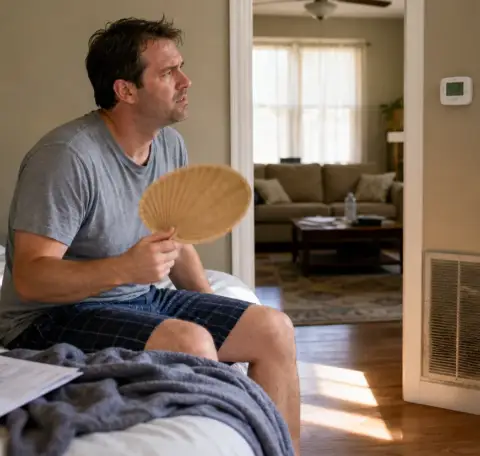
Your HVAC system rarely announces when it's about to become a problem. One day it's keeping the house comfortable, and the next you're standing in a sweltering living room trying to decide whether to call for a repair or start researching new units. That pressure, especially during a heat wave or a cold snap, is exactly when homeowners make expensive decisions they regret later.
The good news: this doesn't have to be a guess. With the right information and a little preparation, you can make a confident call without feeling like you're flying blind.
Why 2026 Changes the Calculation
Energy costs aren't going anywhere, and older HVAC systems were built to meet efficiency standards that have since been updated significantly. If your system was installed 10 to 20 years ago, it may still run, but running and running efficiently are two different things.
SEER2 ratings now give homeowners a clearer picture of cooling efficiency when comparing equipment. Modern systems can also offer features that simply weren't available in older models: variable-speed operation, two-stage heating and cooling, smart thermostat integration, quieter performance, and improved air quality options. That's a meaningful gap between what a newer system can do and what an aging one can manage on its best day.
None of this means your older system needs to go. A well-maintained unit can serve a home well past the average lifespan. But if yours is struggling to keep up, the real question isn't just "how much is this repair?" It's whether that money extends the system's useful life or simply delays the inevitable.
How Long Should an HVAC System Last?
Most central air conditioners and furnaces last somewhere between 10 and 15 years, with well-maintained systems sometimes reaching 15 to 20 years. Heat pumps often fall on the shorter end of that range because they handle both heating and cooling, which means more operating hours and more wear over time.
Age is only part of the story. A neglected 8-year-old system can be in worse condition than a well-cared-for 14-year-old one. Maintenance history matters. Dirty coils, clogged filters, worn belts, loose electrical connections, and low refrigerant all create extra strain over time, and that strain adds up.
Before calling Advantage HVAC, dig out whatever records you have. Installation dates, service invoices, warranty paperwork, and equipment labels can help establish where the system stands. If the unit came with the house and you're not sure how old it is, our technician can usually estimate the age and condition during an inspection.
Warning Signs Worth Taking Seriously
HVAC equipment usually gives signals before it fails completely. The problem is that homeowners often adapt to those signals instead of acting on them. The noisy unit becomes background noise. The bedroom that never cools down becomes "just how it is." The higher utility bills get blamed on the weather.
Pay attention to these:
- Frequent repair calls: One repair every few years is reasonable. Two or more repairs in a single season is a different story. When you look at those costs as a total rather than separate events, the math can start favoring replacement.
- Rising energy bills without a change in habits: An aging system works harder to deliver the same result, and that extra effort shows up on your utility statement. If your usage patterns haven't changed but your bills keep climbing, the system is losing efficiency.
- Uneven temperatures: Hot spots, cold rooms, weak airflow, and humidity that won't cooperate can point to duct issues, poor sizing, or worn equipment. Some of these problems can't be solved by repairing a single component.
- Unusual noises: Grinding, banging, rattling, squealing, and short cycling (the system turning on and off too frequently) all deserve attention. These aren't sounds a healthy system makes.
- Major component failure: A failed compressor, cracked heat exchanger, failing blower motor, or damaged evaporator coil on an older system can cost nearly as much to fix as a replacement system would cost to buy and install. At that point, the repair rarely makes financial sense.
- Outdated refrigerant: Older systems using refrigerants that are harder to source make service calls more expensive and less practical. Refrigerant-related repairs on an older unit are often a sign that replacement will offer better value.
The Cost Conversation: What the Numbers Actually Mean
Repair cost versus replacement cost is the question most homeowners focus on, but it's worth thinking about it in layers.
A popular benchmark is the 50% rule: if a repair costs more than half the price of a comparable new system, replacement deserves serious consideration, especially when the equipment is old, out of warranty, or has already had recent repairs.
Small repairs on newer systems are a different situation entirely. A failed capacitor, clogged drain line, thermostat issue, dirty coil, or minor electrical problem doesn't mean the system needs to be replaced. These are normal issues that come up over time, and fixing them can extend the life of a system that still has plenty of useful years ahead.
The picture shifts when repairs start stacking up. A $400 repair is manageable. A second one four months later, followed by another the next summer, tells a different story. Tracking repair history over time rather than evaluating each service call in isolation gives you a much clearer view of where the system is headed.
Replacement has a higher upfront cost, but a properly installed, energy-efficient system can reduce monthly utility costs, improve comfort, and eliminate the stress of wondering when the next breakdown will hit. The savings vary based on equipment type, home size, utility rates, and installation quality, but the difference between a high-efficiency modern system and an aging, struggling one is real.
Rebates, tax credits, manufacturer promotions, and financing options can also shift the financial picture. These programs change, so it's worth asking what's currently available before making a final decision.
Comfort Problems Are Data Points Too
Some HVAC issues show up as comfort complaints long before they cause a breakdown. These aren't just annoyances. They're the system telling you something.
Rooms that are consistently too warm or too cool can point to duct leaks, poor insulation, improper sizing, or aging equipment that can no longer deliver what the home needs. A single repair may not fix a problem that's been building across multiple causes.
Weak airflow is worth investigating but doesn't always signal a major problem. Check the filter first. Make sure vents aren't blocked by furniture or rugs. If airflow is still weak after those basic checks, have a technician take a look.
Humidity issues are another indicator. A sticky, uncomfortable home in summer or dry, irritating air in winter often involves the HVAC system's performance. An older or declining system may struggle to manage moisture the way a properly functioning one would.
Dust, odors, and allergy flare-ups that seem related to the HVAC system may point to filtration issues, dirty ductwork, or poor air circulation. A newer system with better filtration options can make a noticeable difference in homes where indoor air quality is a real concern.
What a New System Can Actually Do
Modern HVAC equipment isn't just more efficient on paper. The experience of living with it is genuinely different.
Variable-speed and two-stage systems run in a more controlled way than older single-stage units, which operate at full power every time they kick on. This steadier operation reduces temperature swings, manages humidity more effectively, and tends to run quieter. Less noise from the outdoor unit and the indoor blower is one of the things homeowners notice almost immediately after installation.
Smart thermostats add real-world control. Scheduling, remote access, and energy tracking aren't gimmicks when they're paired with a properly sized, well-installed system. They give homeowners a better handle on comfort and costs.
If indoor air quality is a priority, a replacement is a natural time to add better filtration, humidity control, or ventilation improvements. What makes sense depends on the home and the people in it, so it's worth discussing specific concerns like allergies, pets, dust, or odors when getting an evaluation.
From a resale perspective, a newer HVAC system also matters to buyers. Buyers ask about HVAC age for the same reason they ask about the roof: it's a system that's expensive to replace, and a recent installation is a strong selling point.
When Repair Is the Right Answer
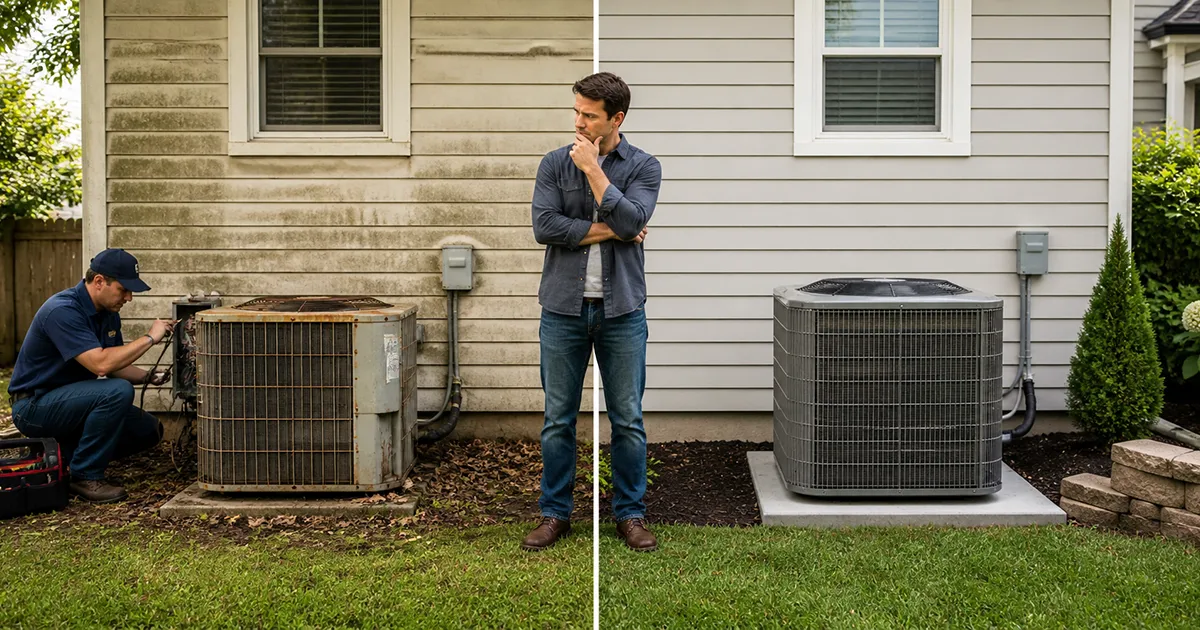
Repair often makes the most sense when the system is newer, has been maintained regularly, and is dealing with an isolated issue. A system under 10 years old that hasn't had repeated service calls and is functioning reasonably well probably doesn't need to be replaced because of a single component failure.
Warranty coverage changes the math too. Parts warranties can reduce the cost of certain repairs significantly, and some homeowners still have labor coverage through their installer or a service agreement. Always check warranty status before committing to a repair bill or a replacement quote.
An HVAC technician from Advantage Heating & Air Conditioning won't push replacement when a repair will legitimately solve the problem. If the system has useful life left and the issue is manageable, we will say so.
When Replacement Makes More Sense
Replacement becomes the clearer choice when the system is old, inefficient, and breaking down regularly. A major repair on equipment that's already near the end of its expected lifespan can feel like the right move in the moment, but it often just pushes the same decision down the road by a year or two.
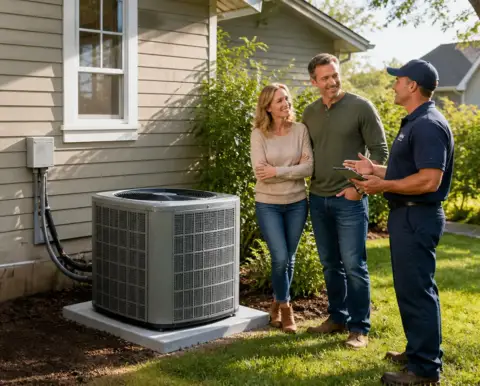
Replacing a compressor, blower motor, heat exchanger, or evaporator coil on a 16-year-old system is a significant investment with limited return. That money may serve the household better as part of a new installation.
Families who rely on consistent heating and cooling during extreme weather have a practical reason to choose replacement over continued repairs on aging equipment. The reliability of a newer system matters during the hottest days of summer and the coldest nights of winter. Sleep, health, and daily routines all depend on the home being comfortable when the weather isn't.
Homeowners planning to stay in the home for years will benefit the most from replacement. More time in the home means more time to enjoy better efficiency, quieter operation, and fewer surprise repairs. Homeowners preparing to sell can also find that a newer HVAC system gives buyers more confidence and makes the property more competitive.
Final Thoughts
Repair or replace comes down to a handful of factors: system age, repair cost relative to replacement value, comfort performance, energy use, and how long you plan to stay in the home. A younger system with a minor issue usually deserves a repair. An older system with repeated breakdowns, rising energy costs, major component failure, and declining comfort usually deserves a serious replacement conversation.
You don't have to figure this out alone. A professional HVAC inspection takes the guesswork out of the decision. Our technicians evaluate the full system, explain what's working and what isn't, and give you a clear picture of your options without any pressure to spend more than you need to.
If you're not sure whether your system has more life left or whether it's time for an upgrade, start with an honest evaluation. Contact us today at (870) 238-8785 to schedule an inspection, get a repair estimate, or talk through your replacement options. We'll help you make the call that's right for your home and your budget.